

Pathology and scope creep
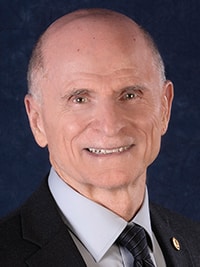
Donald S. Karcher, MD
November 2024—There’s a shortage of physicians in the U.S.—across specialty areas and including pathology—and the reaction has been rather predictable: nonphysicians are pushing hard to fill those voids. Scope of practice is a major issue facing physicians today, and pathologists are no exception. In other specialties, we’ve seen nurse practitioners and physician assistants step up to take on more and more responsibilities that were once reserved for physicians. For certain tasks and under the supervision of a physician, this is not only appropriate but welcome. In pathology we have pathologist assistants performing valuable tasks in support of pathologists with a real impact on patient care. All of these nonphysicians are important for patient care and for easing the burden on physicians who are stretched too thin.
But problems can arise when nonphysicians seek to practice without physician supervision, and that’s exactly what has been happening. It’s across the board and often starts with a name change: Nurse anesthetists now call themselves nurse anesthesiologists, and they’re lobbying to practice independently. Physician assistants are pushing to be called physician associates, and they too are seeking to practice without physician oversight.
The physician community worries about this ongoing “scope creep,” and it has nothing to do with protecting our turf. It’s also not about assuming that other people are making mistakes, because physicians are far from perfect. That said, we physicians have the extensive training and experience to practice our specialty in the context of the whole patient—something that’s not true for nonphysicians, who receive shorter and more superficial training and typically practice in only one focus area. They can follow a protocol or algorithm well, but they lack the broader understanding of anatomy, biochemistry, pharmacology, and other key areas that are instilled in physicians during medical school, internship, residency, and fellowship training. When nonphysicians can practice independently, which is already happening in some states, complications will arise in patients that these providers will miss or not know how to handle. That’s why there is such a strong consensus among physicians in all areas of medicine that nonphysician members of the health care team should be supervised in their practice.
The CAP has been working hard to fight this trend and will continue to do so at every level. We believe strongly that we need to align with the greater house of medicine on this issue, so the CAP has allied with other medical societies to fight scope creep. We are one of 105 medical associations that work with the American Medical Association in their Scope of Practice Partnership, a coalition aimed at safeguarding patient care. We’re also working collaboratively at the state level to push back on the efforts of nonphysicians who are lobbying to practice independently. Finally, the CAP is advocating for the federal government to increase federally funded residency slots to boost the ranks of physicians, and particularly pathologists, in the coming years.
If you’re concerned about scope-of-practice issues, I encourage you to get involved. We need all the help we can get to help policymakers and legislators understand that this discussion is about far more than finding cheaper alternatives to physicians. These battles are often waged by state medical societies and state and local professional organizations, so I strongly urge you to get involved with your local medical society and pathology organization to fight scope creep in your own jurisdiction.
In the end, this is all about patients. I don’t mean that as a glib mantra or slogan. We’re all patients, and our loved ones are patients. I want everyone in my life to receive the best possible care, and I’m sure you feel the same. This debate is not about money or turf or reputation or pride. It is entirely about ensuring that patients receive the high-quality care to which they’re all entitled.
Dr. Karcher welcomes communication from CAP members. Write to him at president@cap.org.