

Sherrie Rice
July 2025—There are a few approaches to using DNA sequencing for infectious disease diagnosis, from ribosomal amplicon sequencing to sequencing of microbes found in infected body fluids.
One approach is to sequence microbial cell-free DNA found in plasma. Think liquid biopsy for infectious disease, says Karius co-founder and chief scientific officer Tim Blauwkamp, PhD.
“This approach is based on the observation that the microbes throughout our body, particularly those causing infectious disease, don’t live forever. They turn over, and when they do,” Dr. Blauwkamp said, “they release fragments of their unique genome into the bloodstream to be recycled or excreted like all other nutrients and waste in our body.”
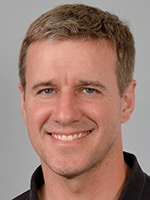
Karius, of Redwood City, Calif., developed efficient methods of capturing the microbial cell-free DNA from the bloodstream and converting it into next-generation sequencing libraries, Dr. Blauwkamp said, and using it to identify which microbes are contributing abnormal amounts of cell-free DNA. “And it doesn’t require the microbe itself to be in plasma,” he said.
He spoke in April in a CAP TODAY webinar (made possible by a special educational grant from Karius) with John Farrell, MD, medical director of the microbiology, immunology, and molecular diagnostics laboratories, OSF St. Francis Medical Center, Peoria, Ill., which is the hub of a 25-hospital system in Illinois, Wisconsin, and upper Michigan. OSF St. Francis, which contracted with Karius in 2019 for the Karius Spectrum send-out test, serves as the reference laboratory for all system hospitals and others in the region.
“There are only two hospitals in the system where a Karius test is orderable on inpatients,” Dr. Farrell said, “and not coincidentally, those are the two hospitals that are staffed onsite by infectious disease physicians” affiliated with the University of Illinois College of Medicine. “We partner with the ID providers in this group to provide stewardship for this test.”
And the tip of the iceberg in stewardship is screening, said Dr. Farrell, who is also professor of medicine at the University of Illinois College of Medicine. “It’s hard-baked into our EHR.”
In the Epic order-entry system, the first set of blood cultures for a new patient must document appropriate clinical indication. And the Karius test can be ordered only by ID physicians.
Dr. Blauwkamp explained how the test works, starting with a standard 5-mL collection of blood, ideally into a plasma preparation tube.
The ordering laboratory centrifuges the tube and then ships it to Karius at ambient temperature in provided packaging. “We go through an automated process once those specimens arrive every morning about 8 AM. It takes about six hours to go from the time we load the plasma to the time we have sequencing-ready libraries from that entire batch.”
Dr. Blauwkamp said the sequencing takes place overnight and when it’s complete, they have a computational pipeline that automatically picks up the data, compares it to Karius’ reference database, and figures out which microbes are derived from the plasma and what the relative abundances are of those microbes. Those abundances are then compared with a variety of real-time controls, including an environmental background control, as well as historical controls that characterized the normal variation of every one of those microbes in healthy populations.
“The final report only contains microbes that exceed the bounds of normal variation in a healthy human population and pass a number of analytical controls, including being extremely unlikely to have been derived from any of the contaminating sources,” Dr. Blauwkamp said.
The company aims for simplicity in its reports, he added. Listed are only the microbes that are observed beyond the bounds of normal human variation, as well as the absolute quantitation of that microbe cell-free DNA in plasma in units that represent the number of unique fragments from that species in 100 nL of plasma.
In about 40 percent of the tests Karius reports, no pathogens are identified that exceed all of the analytical and clinical filters applied prior to reporting. “Dozens or hundreds of microbes may be contributing cell-free DNA to plasma, but the majority of those don’t exceed those bounds of normal variation,” Dr. Blauwkamp explained (Blauwkamp TA, et al. Nat Microbiol. 2019;4:663–674).
Among the 60 percent of reports that are positive, about half list only a single pathogen, “and then there’s roughly a twofold decrease in the number of reports with two, three, or four pathogens,” he said. “Not surprisingly, most of the microbes on the positive reports are bacterium [71 percent], with about 20 percent of viruses, eight percent fungi, and some very impactful parasitic infections identified as well” (Park SY,et al. J Clin Microbiol. 2023;61[8]:e01855-22).
Dr. Farrell said OSF St. Francis averages about five Karius tests per week, judging from a 16-month analysis of its experience (beginning January 2024), during which time 344 tests were reported for 308 patients, with a 66 percent positivity rate.
He shared a case to demonstrate its value. An end-stage AIDS patient presented to the hospital’s ED in November 2024. He weighed 95 pounds and was confused and disoriented. The CD4 count was 4 cells/μL. Head CT scan and gadolinium-enhanced MRI of the brain found no evidence of CNS toxoplasmosis. His chest x-ray had scattered nodular lesions, which “could have been anything in the differential,” Dr. Farrell said, adding, “It was broad and included Pneumocystis and tuberculosis.” The patient was admitted and placed in isolation. His Karius test from two days prior revealed “very high levels of Toxoplasma gondii,” he said, “19,000 molecules per microliter [MPM], which is extraordinarily high. And his pulmonary infection was Histoplasma capsulatum, at 2,200 MPM.”
The patient was started on highly active antiretroviral therapy on admission and twice daily 300 mg itraconazole for pulmonary histoplasmosis and a pyrimethamine-sulfadiazine-leucovorin triple drug cocktail for T. gondii. A follow-up test showed an almost two-log decrease in Toxoplasma and a one-log decrease in Histoplasma MPM levels.
In another case, an immunocompromised chronic lymphocytic leukemia patient who had completed induction therapy was readmitted three weeks post-therapy. Febrile neutropenic chest x-rays showed what appeared to be necrotizing pneumonia. The Karius test revealed (in addition to Candida albicans, Bacteroides fragilis, EBV, and HSV-2) Aspergillus fumigatus, “which had not grown in his sputum cultures and was impactful.” He responded to voriconazole treatment.

The initial report typically appears in the EHR within 48 hours of the sample having been sent to Karius, Dr. Farrell said. When the organism detected is one that could be associated with antimicrobial resistance, an addendum will appear 24 to 48 hours after the initial report was received with information based on detection or no detection of genetic markers of resistance.
Pneumocystis has been and continues to be the most common opportunistic pathogen identified at the hospital. “It far outpaces any other pathogen in our experience,” Dr. Farrell said. Next in line is Histoplasma capsulatum—“not surprising given our location between the Mississippi and Ohio rivers.”
The hospital’s infectious diseases group in 2022 reported on its study of microbial cell-free DNA sequencing for the diagnosis and management of Pneumocystis jirovecii (Foong KS, et al. Open Forum Infect Dis. 2022;9[12]:ofac652). In its retrospective evaluation of 23 cases, the group found that P. jirovecii plasma microbial cell-free DNA testing had a positive clinical impact in 82.6 percent of patients who had no pre-established diagnosis of P. jirovecii pneumonia by conventional diagnostics. It confirmed the diagnosis for 68.4 percent of patients with suspected P. jirovecii pneumonia and led to new/earlier treatment of the disease in 31.6 percent of cases.
Fourteen of these patients did not need bronchoscopy, Dr. Farrell said. “That’s impactful to the bottom line for an organization like ours, a charity hospital that takes all-comers. And we typically have a Pneumocystis case in-house at any given time,” so the savings is significant. (The list price of the test is $2,200.)
Is this the approach he takes when addressing cost concerns with hospital administrators and others?
“To me, the question boils down to: Is there someone else who could benefit from ‘fill in the blank’? In the example of bronchoscopy,” he said, “if I’m able to avoid tying up the interventional pulmonary lab and interventional pulmonologist’s time, space, and staff, there is someone else who’s potentially benefiting.” The next step—length of stay—is a clear one, he added, calling it the holy grail. If he’s able to diagnose and then make it possible to initiate treatment and discharge the patient to home or elsewhere faster, “is there someone else who could benefit from that bed? The answer is always absolutely,” he said.
One theme that has emerged from the growing number of studies of microbial cell-free DNA sequencing, Dr. Farrell said, is its benefit to immunocompromised patients for whom time is critical—patients with febrile neutropenia or pneumonia, particularly necrotizing or cavitary pulmonary infections in oncology patients, and solid organ transplant patients.
“The rapid recognition of fungal infections that often would require weeks to cultivate in the lab is a sea change,” he added. Culture-negative infective endocarditis and myocarditis have also been shown to benefit from more detections with this technology, Dr. Farrell said. “In our center, where we sometimes struggle to get biopsies of vertebral bodies or disc spaces, we have found some benefit as well in discitis and vertebral osteomyelitis.”
Ranganath, et al., of Mayo Clinic’s Division of Public Health, Infectious Diseases, and Occupational Medicine, evaluated the diagnostic yield and clinical impact of plasma microbial cell-free DNA NGS in managing fever of unknown origin (Ranganath N, et al. Open Forum Infect Dis. 2025;12[2]:ofaf038). The retrospective cohort study consisted of 176 patients who underwent both standard microbiologic testing and microbial cell-free DNA NGS.
Overall, microbial cell-free DNA NGS was positive in 44.3 percent; it was considered clinically significant in 49 percent of these cases. As an adjunct to standard microbiologic testing, it had a positive diagnostic impact in 30 percent of patients, mainly owing to earlier diagnosis and the potential for invasive procedures to be avoided.
“They found that 69 [of the 176 patients] had an infectious disease that was the source of their fever,” Dr. Farrell said. Among the 69 patients with infectious FUO, standard testing confirmed the diagnosis in 28 patients (41 percent), with concordance between standard testing and microbial cell-free DNA NGS seen in 21 (75 percent). “There was partial agreement but some discrepancies in seven patients,” he said. Fifteen patients had negative standard testing but positive NGS.
“Two-thirds of their patients were ultimately diagnosed by microbial cell-free DNA sequencing. This experience agrees with our experience,” Dr. Farrell said. “We have found in the hands of our infectious disease providers that our Karius tests come back positive 66 percent, or two-thirds, of the time.”
The organisms most commonly reported for OSF St. Francis patients since January 2024 are the Gram-negatives Escherichia coli and Klebsiella pneumoniae and the Gram-positives, both Enterococcus faecalis and faecium. Psuedomonas aeruginosa is the No. 1 bacteria reported. The top six viruses detected are all from the herpes family. The fungi detected most commonly are oral flora found in the oropharynx, Candida and Saccharomyces.
“These detections require an intimate understanding of the patient context,” Dr. Farrell said, “which is why we have found this partnership with our University of Illinois infectious disease group has been a win-win.”
What ID physicians bring to bear when they are asked to consult on a patient in the hospital, he said, “is an attention to detail and an understanding of the clinical context and the patient’s immune status. We find they appreciate the advantage of having metagenomic sequencing of microbial cell-free DNA plasma in their toolbox.”
“And they’re completely invested in the appropriate, judicious use of the test.”
“This is the medicine of the future,” Dr. Farrell said, “but I would say the future is here now.”
Sherrie Rice is editor of CAP TODAY. The full webinar is at https://bit.ly/CT_042225-WOD.