

Cytopathology in focus
Poornima Hegde, MD
Martin Magers, MD
Molly Hansen, CT(ASCP)
May 2026—Education is one of the CAP’s core missions, closely linked to its commitment to advocacy and excellence in practice. In addition to its overarching laboratory improvement programs, the CAP provides educational offerings in a variety of formats, designed to satisfy the learning needs of its members and of a diverse group of laboratory professionals.
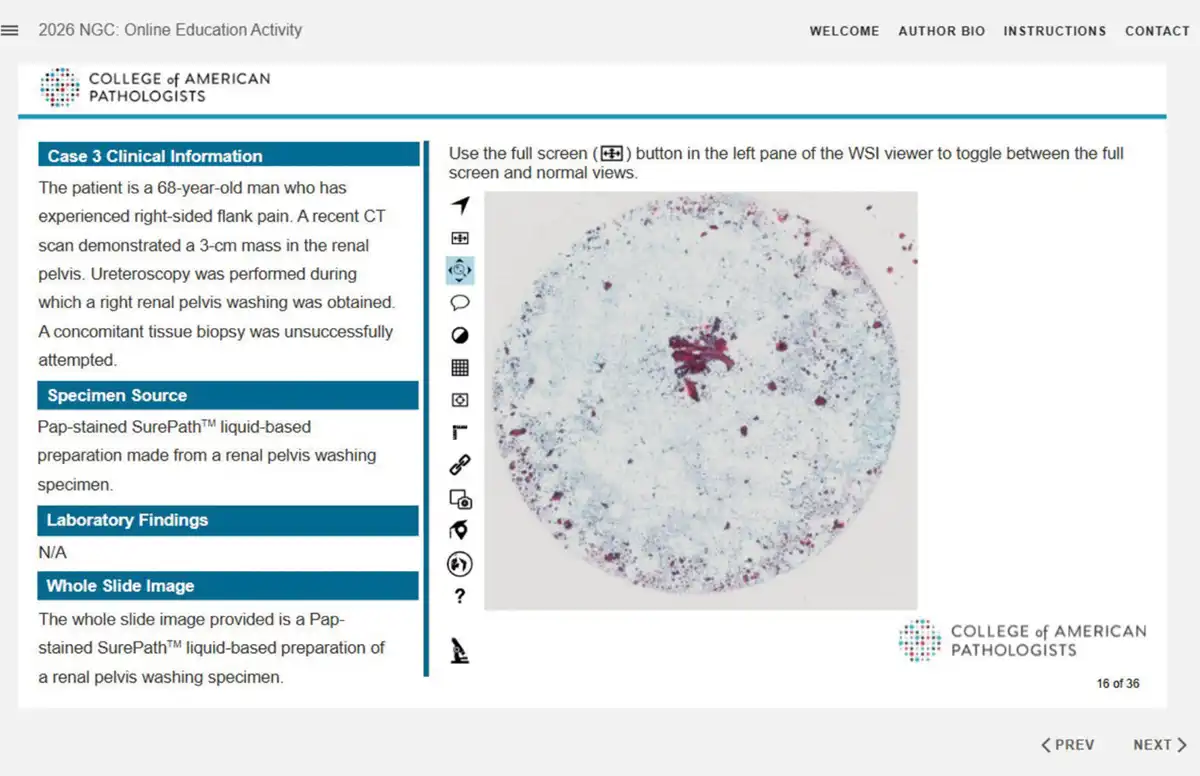
The CAP Cytopathology Committee provides educational glass slide programs for interlaboratory comparison of gynecologic cytopathology (Pap education), fine-needle aspiration cytopathology (FNA), and nongynecologic cytopathology (NGC). Participants in the NGC glass slide program are eligible for a complimentary NGC online activity that includes access to digitized slides. These programs are designed to help pathologists and cytotechnologists assess their screening and interpretive skills while preparing them to succeed.
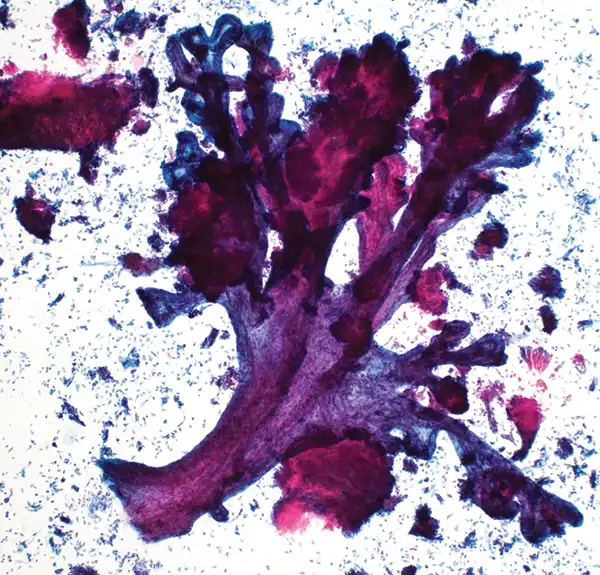
Members of the Cytopathology Committee review submitted NGC, FNA, and Pap educational slides, and, if three board-certified pathologists concur with the diagnosis, the slides are placed into the educational programs. Cases may include pertinent static online images, such as radiology and ancillary studies, that support diagnostic interpretation.
The education programs can be found in the CAP Surveys catalog (anatomic pathology education) under Laboratory Improvement at www.cap.org, for those not registered for the NGC, FNA, or Pap offerings.
The initial NGC order includes one laboratory response form and two individual response forms. For additional individual response forms, the NGC1 reporting option must be selected in conjunction with the NGC initial order.